Typical Product Presentation
· Medical Devices
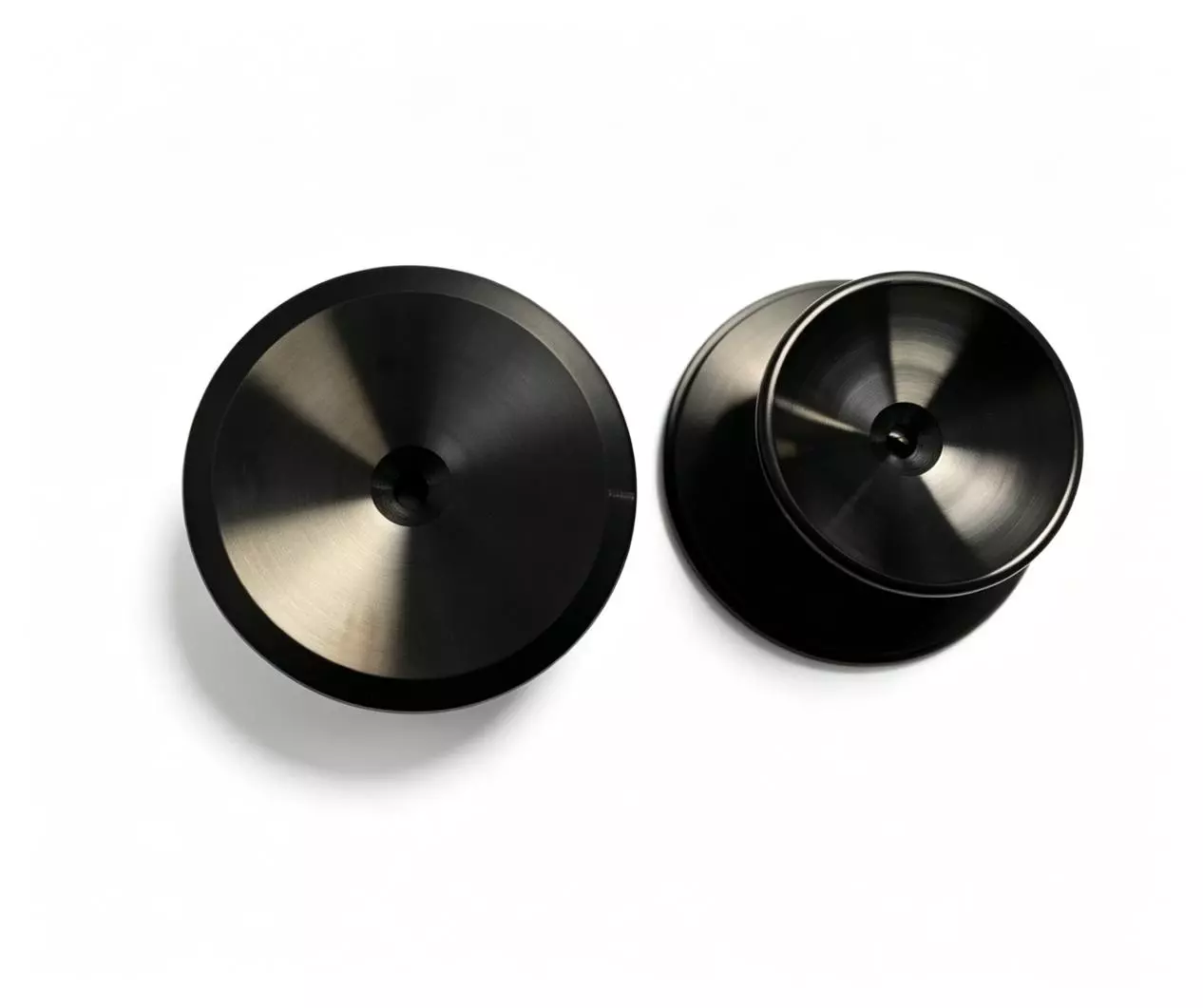
Medical Machined Adjustment Knob
Made by precision CNC turning, this medical knob features smooth brushed metal surface. It’s widely used on surgical devices for parameter adjustment, stable, corrosion-resistant and easy to operate.
CNC Machined Drill Guide for Orthopedic Surgery
Precision 5-axis CNC milled stainless steel part, guides drill bits during orthopedic implant surgery, widely used in spinal and fracture orthopedic treatment.
· Electric Vehicles
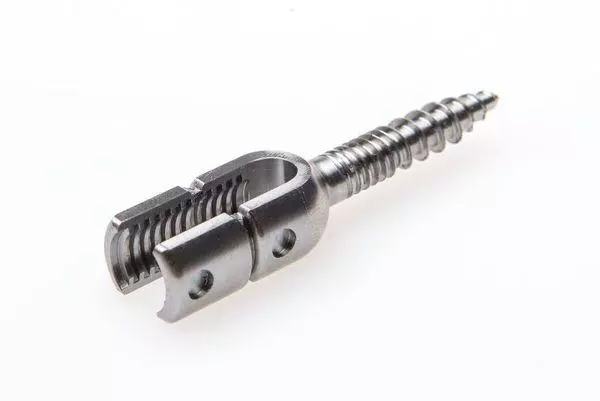
Turn-Mill Composite Orthopedic Spinal Screw
Turn-mill integrated titanium alloy bone screw, used for spinal fixation surgery, high precision thread, autoclavable for medical operating rooms.
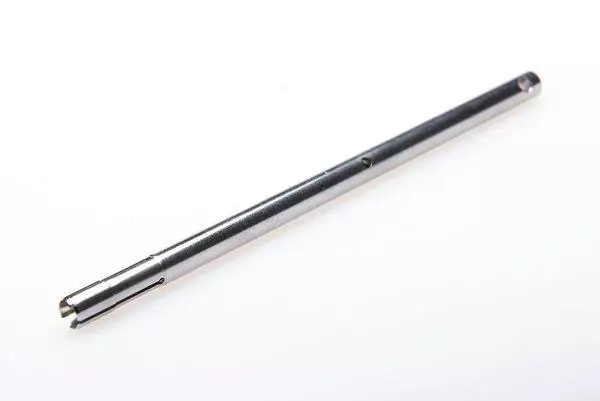
Precision Machined Endoscopic Metal Tube
Long thin tube processed by CNC lathe, inner channel for minimally invasive endoscopes, stainless steel biocompatible for minimally invasive surgery devices.
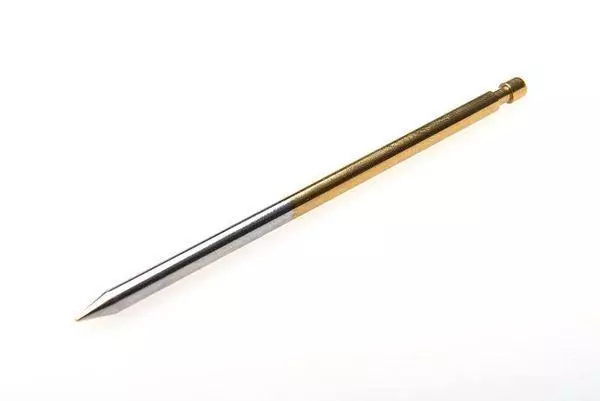
Machined Medical Puncture Locator Needle
CNC sharpened medical puncture needle, used for biopsy and lesion positioning in radiology and minimally invasive medical examination equipment.
·Electric Vehicle
CNC Precision Machined Bushing for Smart Vehicles
Lathe CNC one-step forming, wear-resistant bushing for EV chassis and power systems, reduces rotational friction, widely used in new energy smart car assemblies.
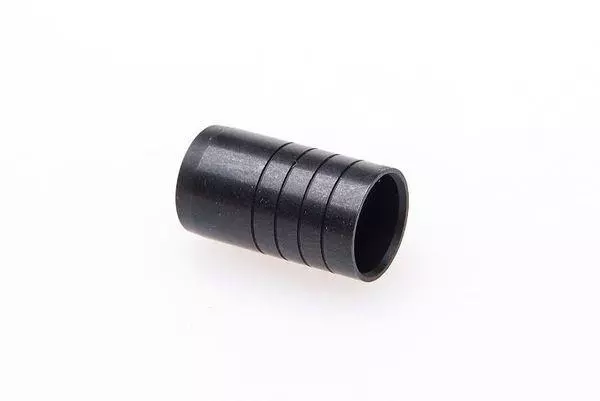
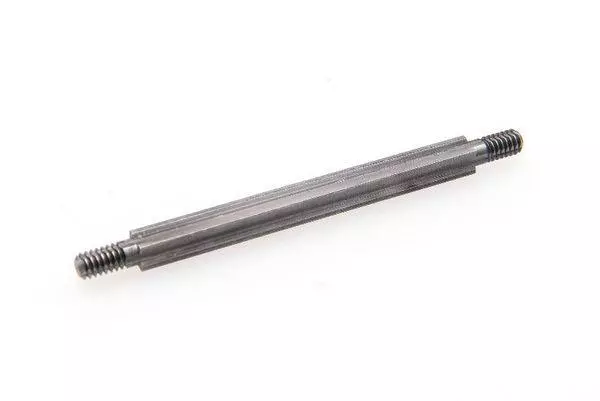
CNC Machined Governor Shaft for Intelligent Vehicles
Turn-mill composite CNC processing, threaded control shaft for auto fuel and electric regulation systems, stable transmission for smart car power control modules.
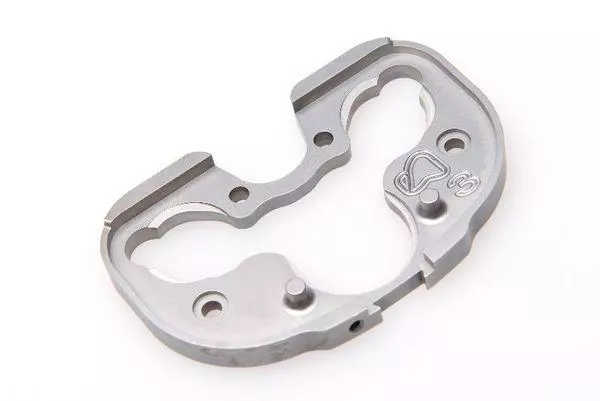
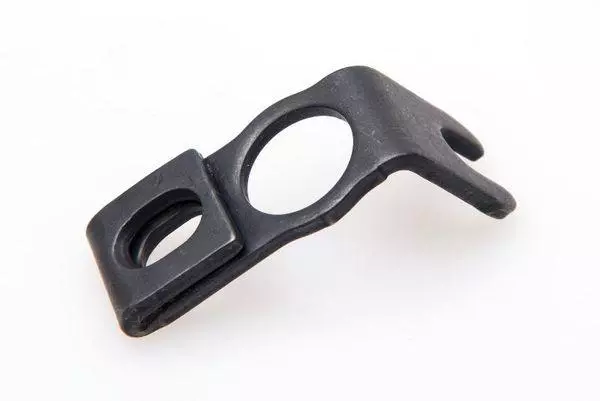
CNC Machined Injector Metal Mount Plate for EV
5-axis CNC stamping & milling bent plate, positioning bracket for automobile fuel injectors, shock-resistant for new energy vehicle engine systems.
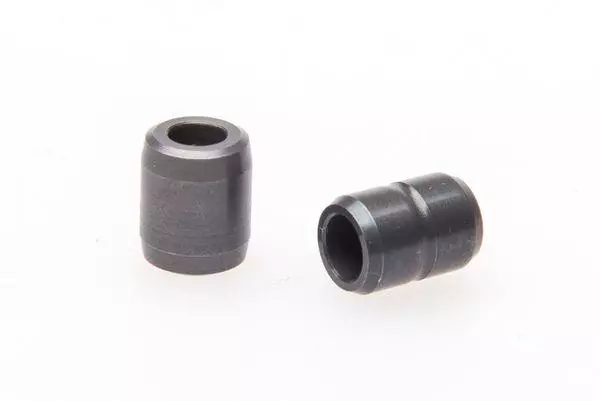
CNC Machined Fuel Injection Guide Pin Sleeve for EV
Precision CNC turning forming, inner guide sleeve for automobile fuel injectors, ensures uniform fuel atomization in intelligent vehicle power systems.
·3C Products
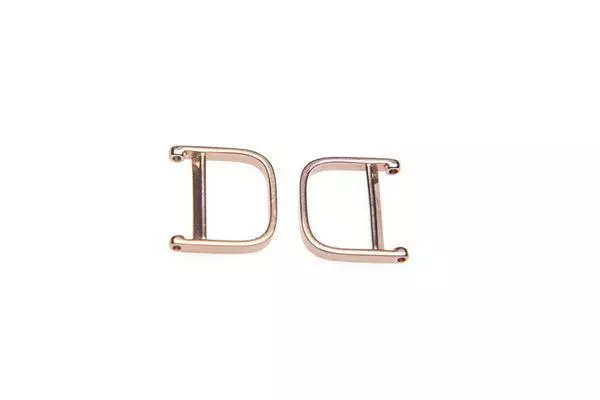
CNC Machined Metal D Buckle for Smart Bracelet
Precision CNC turning and milling molding, decorative and fastening hardware for wearable bracelets, widely applied in consumer 3C wearable electronic devices.
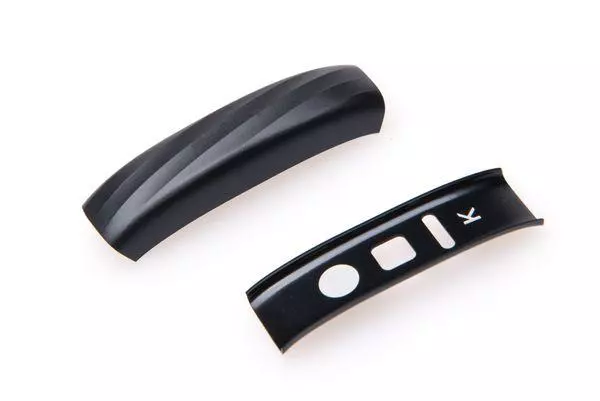
CNC Machined Curved Decorative Cover for Sports Bracelet
Five-axis CNC curved surface processing, protective appearance panel for sports wristbands, reserved sensor holes for wearable 3C products.
CNC Machined Metal Function Buttons for Cameras
High-speed CNC precision stamping, tactile metal buttons for digital cameras, compact hardware parts for photographic 3C equipment.
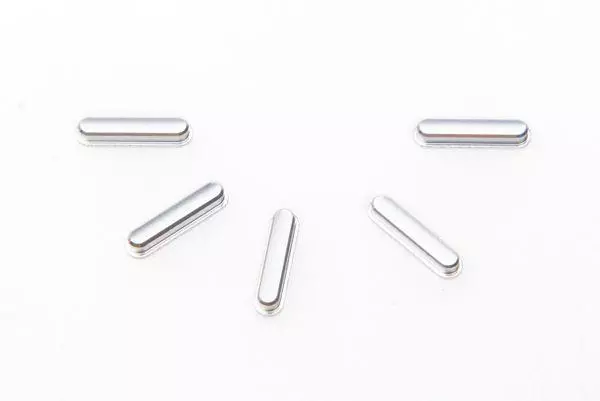
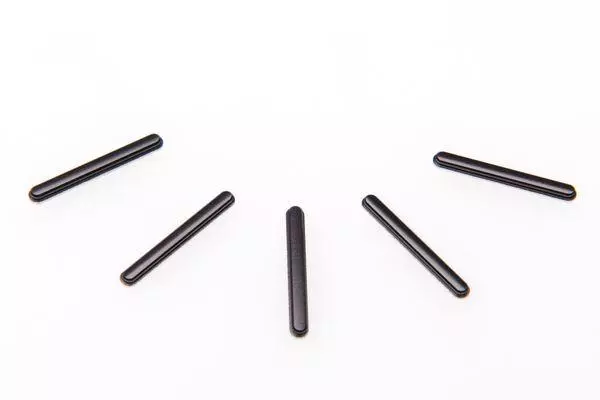
CNC Machined Metal Volume Buttons for Smartphones
Miniature CNC lathe machining, slim metal side keys for mobile phones, durable appearance parts for smartphone 3C electronics.
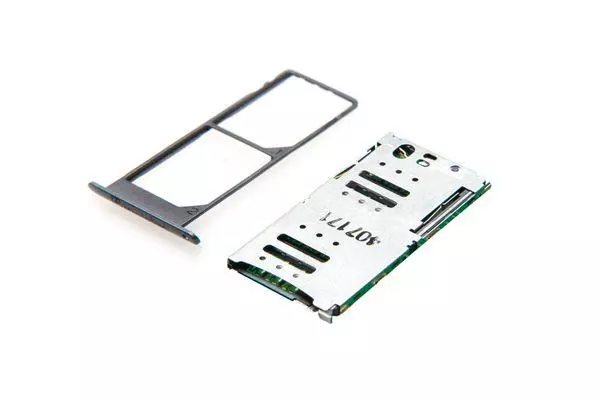
CNC Machined Metal SIM Card Tray for Cell Phones
Integrated CNC milling forming, card holding bracket for smartphones, high-precision fit structural component for mobile 3C products.
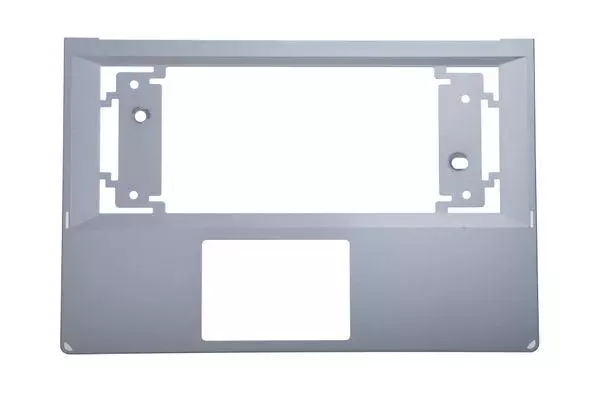
CNC Machined Bottom D Cover for Laptops
Large-size CNC aluminum milling, bottom protective housing for notebooks, with prefabricated mounting holes for laptop 3C devices.
CNC Machined Aluminum Alloy Power Bank Shell
CNC deep drawing & milling forming, outer protective case for power banks, lightweight metal housing for portable 3C charging products.

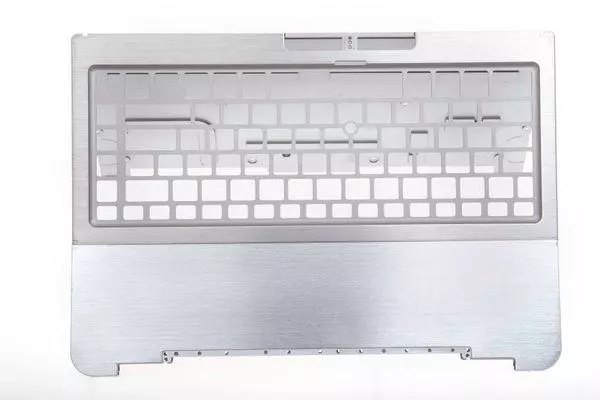
CNC Machined Keyboard C Cover for Laptops
Five-axis CNC integrated keyboard slot milling, upper palm rest shell for laptops, core appearance part of notebook 3C electronics.
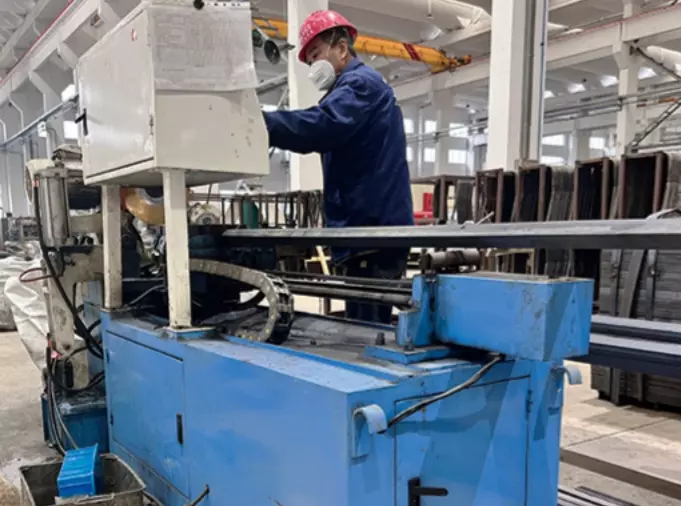
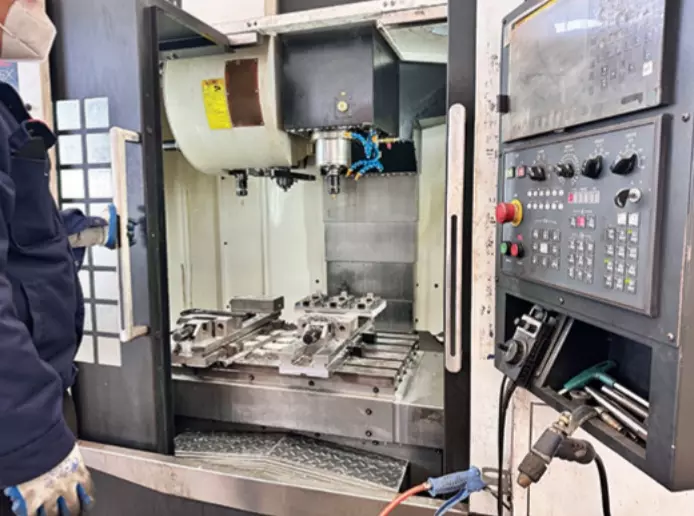
Machining Floor