
Material Adaptability in Precision Metal Machining and Surface Treatment
The adaptability of materials is a key factor affecting the effect of precision metal machining and surface treatment, as different metal materials have distinct physical and chemical properties, which determine the selection of machining processes and surface treatment technologies. In high-end manufacturing, the demand for diverse metal materials is increasing, and mastering the material adaptability of precision machining and surface treatment has become a core competitiveness of enterprises.
Common metal materials involved in precision machining include carbon steel, stainless steel, aluminum alloy, copper alloy, titanium alloy, nickel-based alloy, and rare metals. Each material has its own characteristics: carbon steel has good machinability but poor corrosion resistance; stainless steel has excellent corrosion resistance but is prone to work hardening during machining; titanium alloy has high strength and light weight but is difficult to cut due to its high hardness and low thermal conductivity. Therefore, enterprises need to formulate targeted machining schemes according to the properties of different materials, such as selecting appropriate cutting tools, adjusting machining parameters, and adopting special cooling methods.
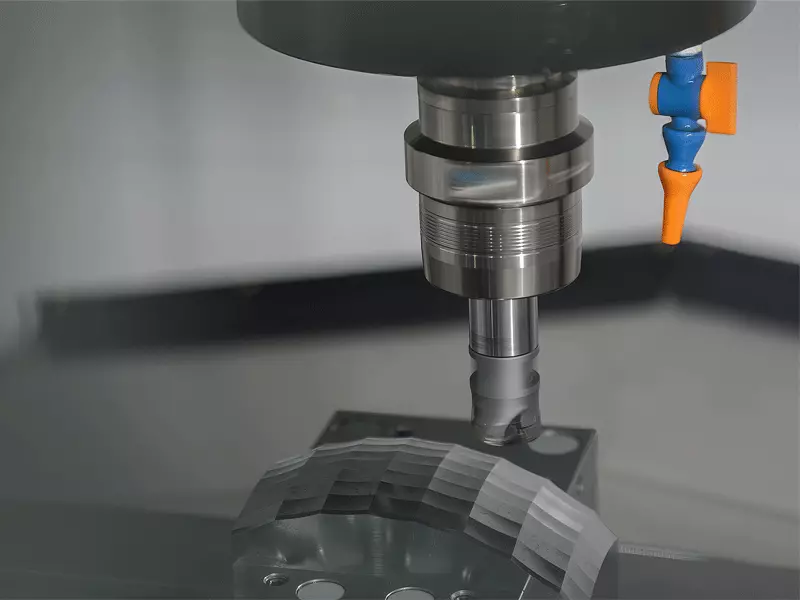
Material adaptability is also crucial in surface treatment. Different materials require matching surface treatment technologies to achieve the desired effect. For example, aluminum alloy is suitable for anodizing to form a protective oxide film, while stainless steel is more suitable for electropolishing to improve surface finish; titanium alloy often adopts PVD coating to enhance surface hardness and wear resistance. If the surface treatment technology is not matched with the material, it will not only fail to improve the performance of the component, but may also damage the material itself, affecting the service life of the product.
To improve material adaptability, enterprises need to strengthen the research on material properties and continuously optimize machining and surface treatment processes. They also need to train professional technical personnel who are familiar with the characteristics of various materials and can flexibly adjust process parameters. With the development of new materials, such as composite metals and high-performance alloys, the requirement for material adaptability will be higher, which will promote the continuous innovation of precision metal machining and surface treatment technologies.